

oval mirror with led lights
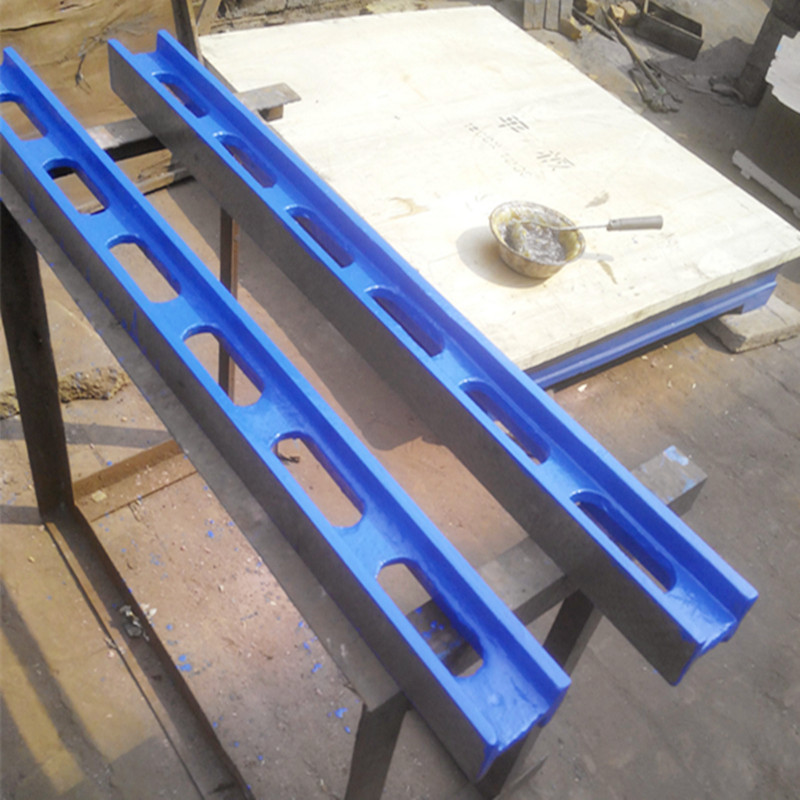
Understanding T-Slot Cast Iron Surface Plates A Comprehensive Guide In the world of precision machining and metrology, T-slot cast iron surface plates are essential tools that contribute significantly to maintaining accuracy and consistency in various manufacturing processes. These plates are designed to provide a stable and flat surface for the assembly, inspection, and alignment of components. Their robust construction, superior durability, and excellent feature set make them indispensable for engineers, machinists, and quality control professionals. What are T-Slot Cast Iron Surface Plates? A T-slot cast iron surface plate is essentially a large flat surface, typically made from high-quality cast iron, featuring elongated recesses or T-slots machined into its surface. These T-slots are designed to accommodate various clamping devices, fixtures, and accessories, making it easier to secure workpieces during measurement or assembly operations. The flexibility of adjusting the fixtures and incorporating different measuring instruments enhances the versatility of these surface plates. Materials and Construction Cast iron is the preferred material for surface plates due to its unique properties. It provides exceptional strength and rigidity, essential for maintaining flatness over time. Additionally, cast iron has excellent vibration dampening characteristics, which is crucial in reducing measurement errors caused by external disturbances. The surface of T-slot plates is typically ground to achieve a high degree of flatness, which is critical for precision work. The flatness is often inspected using a precision straightedge or a surface plate gauge, ensuring that the plate meets the stringent tolerances demanded in various industrial applications. Benefits of T-Slot Design The T-slot feature of these surface plates allows users to easily attach clamps, vises, and other fixtures. This adaptability is particularly beneficial in manufacturing environments where different tasks and workpieces might require varying setup configurations. The ability to rearrange fixtures without the need for additional mounting holes or equipment makes T-slot surface plates incredibly user-friendly. Moreover, the configuration also aids in setting up coordinate measuring machines (CMMs) and other precision instruments. By securely mounting workpieces to the T-slots, operators can achieve accurate measurements and inspections, resulting in high-quality outputs. Applications of T-Slot Cast Iron Surface Plates t slot cast iron surface plate T-slot cast iron surface plates have a broad range of applications across different industries 1. Machining They are utilized as reference surfaces for precision machining, where maintaining flatness and alignment is crucial for producing high-quality components. 2. Inspection When inspecting mechanical parts, surface plates offer a stable base for checking dimensions and tolerances . This is particularly important in quality control processes. 3. Assembly In assembly processes, T-slots provide flexibility for securing parts in place while they are being joined. The ability to customize the setup based on the parts being assembled enhances efficiency. 4. CMM Setup Surface plates serve as a base for coordinate measuring machines, ensuring accurate data collection and measurement of parts. Maintenance and Care To ensure longevity and maintain accuracy, T-slot cast iron surface plates require regular maintenance. It is essential to keep the surface clean and free from debris that can cause scratches or damage. Users should also regularly inspect the flatness of the plate and use precision leveling devices to ensure optimal performance. Rust prevention is another essential aspect of maintenance. Coating the surface with a light oil or using protective covers can prevent moisture ingress, ultimately prolonging the life of the surface plate. Conclusion T-slot cast iron surface plates are indispensable in the realm of precision manufacturing and measurement. Their combination of stability, adaptability, and robustness provides an excellent platform for various applications, from machining to quality inspection. By understanding their features, benefits, and maintenance, users can maximize the utility of these vital tools in their operations, leading to improved efficiency and accuracy in their projects. Whether in a workshop, factory, or laboratory, T-slot cast iron surface plates remain a cornerstone of precision engineering.
about
oval mirror with led lights
Understanding Manual Knife Gate Valves A Comprehensive Overview Manual knife gate valves are critical components in various industrial applications, designed specifically for the control and isolation of flow in pipelines. These valves are particularly effective in handling thick or highly viscous fluids, slurries, and solids, making them invaluable across industries such as wastewater treatment, mining, paper and pulp, and chemical processing. What is a Knife Gate Valve? A knife gate valve is a type of isolation valve that uses a sharp-edged gate to cut through the medium it controls. The knife-edge design allows for efficient operation in services where conventional valves struggle, particularly in terms of sealing against solids. The valve comprises two main components the gate and the body. The gate is typically made from metal or hard-coated materials that withstand wear and has a straight-edge blade to slice through the medium. The body encompasses various configurations, usually available in a range of materials, including cast iron, stainless steel, and carbon steel, to suit different applications. Features and Advantages One of the most significant advantages of manual knife gate valves is their ability to handle high-viscosity fluids and bagged or caked solids without clogging, thanks to the sharp gate design. Furthermore, the manual operation provides a tactile feedback mechanism for the operator, allowing precise control over flow regulation. Other key features include 1. Simplicity The manual operation mechanism often utilizes a handwheel, which allows operators to open or close the valve with minimal force while providing clear visibility of the valve position. 2. Cost-Effective Compared to automated valves, manual knife gate valves typically have a lower initial cost and maintenance requirements, making them ideal for applications where frequent adjustments are unnecessary . 3. Compact Design The design allows for installation in tight spaces, making them suitable for crowded piping systems. 4. Wide Range of Sizes These valves are available in various sizes, accommodating both small and large piping systems. manual knife gate valve 5. Low Maintenance Their straightforward design leads to less wear and tear over time. Regular inspections and proper lubrication ensure longevity. Applications Manual knife gate valves find their home in various applications, including - Pulp and Paper Industry Used to control the flow of slurries and pulps during processing, helping maintain production efficiency. - Wastewater Treatment Ideal for isolating sections of piping or controlling sludge and other solids, making it easier to manage wastewater systems effectively. - Mining and Minerals Processing Effective in handling thick slurries, tailings, and materials that can clog other types of valves. - Chemical Processing They enable safe isolation of chemicals and slurries in processing plants, ensuring effective flow control. Installation and Maintenance Installing a manual knife gate valve requires following specific procedures to ensure it operates efficiently. Proper alignment with the pipeline is crucial to avoid stress on the valve body. Regular maintenance should include inspecting the gate for signs of wear, cleaning the sealing surfaces, and lubricating the operating mechanism to ensure smooth operation. Conclusion Manual knife gate valves are indispensable in industries that manage thick fluids, slurries, and solids. Their unique ability to sever and isolate materials while providing reliable performance makes them a preferred choice for many applications. With a focus on cost-effectiveness, low maintenance, and straightforward operation, these valves offer an appealing solution for businesses seeking durable and efficient flow control systems. Understanding their functionalities, advantages, and applications can lead to enhanced process efficacy and safety in industrial settings. As industries continue to evolve, the role of manual knife gate valves will undoubtedly remain vital in managing complex flow challenges.
-

High quality industrial productsagement

High quality industrial products
View Details -

Meet the diverse needs of customers

Meet the diverse needs of customers
View Details -

Strict quality control

Strict quality control
View Details -

Top raw materials

Top raw materials
View Details -

Trusted supplier

Trusted supplier
View Details
Our application
news and information
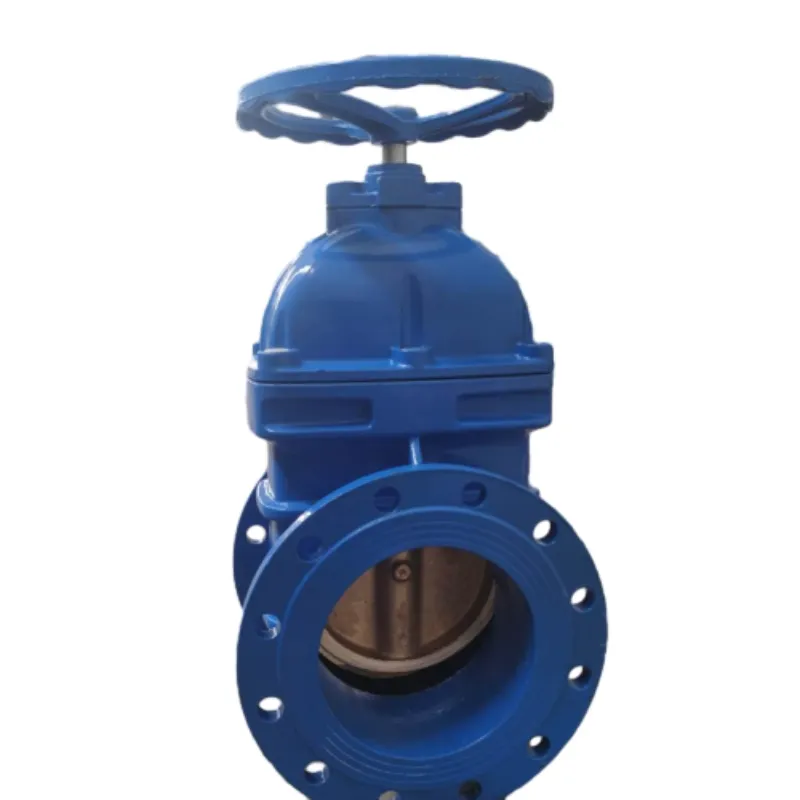
Van cửa niêm phong mềm điện
Van cổng 150mm, một trong những sản phẩm quan trọng trong ngành công nghiệp, đóng vai trò tối ưu hóa
v frames
The Evolution and Impact of V Frames in Modern Visual Media In the rapidly evolving landscape of vis
Y Strainer PN16 Specifications and Applications for Fluid Filtration Systems
Understanding the Y Strainer PN16 An Overview In industrial piping systems, ensuring the efficient f
 English